Smartphone Battery Myths You Should Stop Believing
1/10/20267 min read

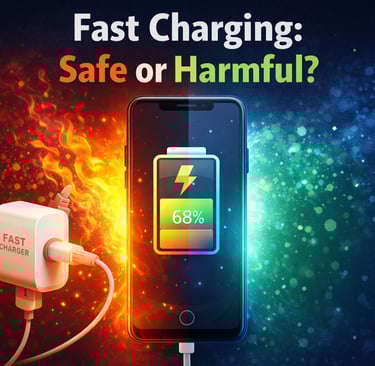
Introduction to Smartphone Battery Myths
Smartphones have become an integral part of our daily lives, yet many users harbor misconceptions regarding their batteries. Understanding these myths is crucial for anyone looking to prolong the lifespan of their device and optimize overall performance. Common beliefs, such as the necessity of fully depleting the battery before charging or keeping the device plugged in overnight, can mislead users into inefficient practices.
One prevalent myth suggests that smartphone batteries require a complete discharge to recalibrate effectively. This misconception mainly stems from older battery technologies, specifically nickel-based batteries. Modern smartphones predominantly utilize lithium-ion batteries, which function best when charged frequently and do not require full discharges. Ignoring this fact may lead to reduced efficiency and a faster decline in battery health.
Another widespread belief is that leaving a smartphone plugged in overnight will lead to overcharging, ultimately damaging the battery. However, most contemporary smartphones are equipped with advanced charging mechanisms that prevent overcharging from occurring. While it is advisable to unplug the device once it reaches full charge for optimal battery health, modern smartphones are designed to manage power more effectively than previous models.
Additionally, many users mistakenly think that high temperatures have little effect on battery life. In reality, excessive heat can significantly accelerate battery degradation. Understanding the environmental factors that influence battery performance is essential in maintaining the longevity of one's smartphone.
In summary, awareness of these myths is vital not only for proper smartphone usage but also for preserving battery integrity. Armed with accurate knowledge, users can make informed decisions, ultimately leading to improved device performance and user satisfaction.
Myth 1: You Should Always Let Your Battery Drain Completely Before Charging
One prevalent myth surrounding smartphone batteries is the belief that one must allow their battery to drain completely before recharging. This misconception particularly targets lithium-ion batteries, which are commonplace in modern smartphones. In reality, letting your smartphone battery deplete to a low percentage can be detrimental to its overall health and longevity.
Lithium-ion batteries do not benefit from deep discharges; in fact, such practices can accelerate their deterioration. When a lithium-ion battery is routinely drained to 0%, it undergoes a process known as deep cycling. This can result in chemical changes within the battery, ultimately reducing its capacity and lifespan. Therefore, maintaining a charge level between 20% and 80% is typically recommended to optimize battery health.
Optimal charging habits can significantly extend the life of your smartphone battery. For instance, rather than waiting for a complete discharge, consider recharging your device when it reaches around 20% to 30%. Additionally, frequent short charging sessions are entirely acceptable. If you find yourself near a charger, plugging in for a brief period can help maintain an ideal battery level, thus contributing positively to its overall longevity.
Moreover, avoiding extreme temperatures is crucial. Both high heat and extreme cold can have adverse effects on battery performance and health. It's advisable to keep your smartphone in a stable environment when charging, ensuring that it remains within the recommended temperature range.
In summary, the notion that one must let their smartphone battery drain completely before recharging is a myth that should be debunked. By practicing proper charging habits and maintaining optimal battery levels, you can enhance the performance and longevity of your device's battery, ensuring it remains functional for years to come.
Many users maintain the belief that leaving a smartphone plugged in overnight can significantly damage its battery. This myth stems from older charging technologies, where fully charging a battery could potentially result in overcharging—a condition that could reduce battery lifespan. However, modern smartphones are equipped with advanced charging management systems that effectively mitigate these concerns.
Today's lithium-ion batteries are designed to handle being plugged in for extended periods. Once the battery reaches full charge, the device's charging system automatically cuts off the power supply to stop any further charging. This technology, often referred to as trickle charging or smart charging, helps preserve the battery’s health by preventing it from staying in a constant state of high voltage. Therefore, charging overnight does not lead to traditional overcharging risks.
Moreover, many smartphones implement features such as adaptive charging, which optimizes the charging process. For instance, the device will charge to a certain percentage before pausing, and only resume charging right before the user is expected to wake. This nuanced approach minimizes battery strain and contributes to longer battery life.
While it is true that frequent high-temperature conditions can negatively affect battery health, charging your device overnight in a cool environment does not inherently pose a risk. In fact, maintaining a consistent charging routine may enhance your phone's overall battery performance.
Consequently, dismissing the myth that overnight charging damages the battery can lead to a more convenient smartphone usage experience. Instead of worrying about battery life caused by overnight charging, users can instead focus on proper maintenance and sensible usage habits to optimize their device's longevity.
Myth 3: Higher Screen Brightness Drains the Battery Significantly
One common belief among smartphone users is that increasing the screen brightness drastically impacts battery life. However, while it is true that screen brightness does affect power consumption, it is not as significant as some might think. The relationship between screen brightness and battery drain is influenced by multiple factors that extend beyond mere brightness levels.
First and foremost, the resolution of the display plays a crucial role in how battery power is utilized. High-resolution screens, such as those found in flagship models, require more processing power to display vibrant graphics. As a result, a device with a high pixel density may consume more energy, regardless of brightness settings. Therefore, even with lower brightness, a high-resolution screen can still drain a significant amount of battery.
Moreover, background applications present on the smartphone can also consume a considerable amount of battery. Apps that run in the background – such as those for social media updates, location tracking, or push notifications – contribute prominently to battery usage independent of the screen's brightness. Users often overlook this aspect and attribute battery drain primarily to the brightness settings.
Usage patterns also matter; for example, a user engaged in gaming or streaming high-definition videos will consume more battery than when they are simply browsing text-heavy websites or using messaging apps. These activities may require substantial processing power and can lead to increased battery consumption irrespective of brightness levels. Ultimately, while screen brightness does play a role in battery life, it is essential for users to consider other contributing factors, ensuring a more accurate understanding of how to manage battery performance effectively.
The notion that using only the original charger supplied with a smartphone is the best practice has become a widely held belief among users. However, this myth can lead to unnecessary anxiety and restrict users from exploring viable alternatives. In reality, most smartphones are designed with USB compatibility in mind, allowing them to function with various chargers across different brands, provided they meet certain criteria.
When considering whether to use a third-party charger, compatibility is a key factor. It is essential to ensure that the charger is designed for the specific smartphone model or meets the required output specifications. Chargers that support the same voltage and amperage as the original are often just as efficient in charging the device. This can help to dispel fears that third-party chargers will harm the battery life or overall performance of the smartphone.
Modern chargers often come equipped with multiple safety features to prevent overcharging, overheating, or short-circuiting. Generic or non-branded chargers may carry risks, but reputable brands invest in technology that protects both the charger and the device. Therefore, opting for a well-reviewed third-party charger can be just as safe as using the original charger. Furthermore, some third-party chargers even offer faster charging options that may not be available with the original charger.
In conclusion, while it is advisable to use chargers that are compliant and from reputable brands, the fear that only an original charger can be used is unfounded. Adopting a flexible approach to charging by exploring trusted alternatives can enhance the user experience without compromising battery integrity.
Myth 5: Closing Background Apps Saves Battery Life
The widely held belief that closing background apps can significantly extend smartphone battery life is a misunderstanding that needs to be addressed. In reality, modern smartphones utilize sophisticated operating systems designed to manage app processes efficiently. These operating systems are adept at handling background tasks without draining battery resources substantially.
When an app is minimized or placed in the background, the operating system typically allocates it fewer resources, allowing the device to prioritize active applications. Consequently, forcing apps to close frequently might even have the opposite effect. When a user reopens a closed app, the device must expend additional energy, as the app needs to fully restart from scratch, using more resources than if it had been left running in the background.
Moreover, there are specific scenarios where closing background apps can be justified. For instance, if an application is unresponsive or consuming an unusual amount of resources, terminating it may help. Additionally, specific apps designed for continuously updating information, such as GPS or messaging applications, may draw more battery life than necessary. Thus, closing such apps can be prudent if they are not actively in use.
In most typical usage, however, leaving background apps running should not lead to significant battery drain. Users should focus instead on engaging in habits that enhance overall battery health, such as disabling unnecessary location services, reducing screen brightness, or even enabling battery saver modes available on many devices. Understanding the actual behavior of smartphone operating systems can aid users in managing their devices more efficiently and debunking this myth surrounding app closure and battery life.
Conclusion: Embracing Facts Over Myths
In the ever-evolving landscape of smartphone technology, understanding the facts surrounding battery health is crucial for enhancing user experience and ensuring longevity. Many individuals fall prey to common smartphone battery myths that can adversely affect not only the overall performance of their devices but also their daily routines. Making informed decisions based on factual information can significantly impact how users manage their smartphones and their battery life.
Recognizing the significance of debunking these myths is essential. For instance, the belief that one must completely drain their smartphone battery before recharging is not only outdated but can also lead to unnecessary wear on modern lithium-ion batteries. Similarly, users should be aware that exposing their devices to extreme temperatures can diminutively impact battery performance and lifespan. By embracing facts rather than fiction, users can adopt effective battery maintenance practices that ensure their devices operate efficiently.
Furthermore, it is advisable for consumers to continuously educate themselves regarding battery care—as knowledge is key in prolonging the life of their smartphones. There are various credible sources available that provide insights into the best practices for maintaining optimal battery health. Whether it involves proper charging techniques or understanding the implications of app usage on battery life, staying informed can lead to more efficient smartphone usage.
We encourage readers to reflect on their experiences with smartphone battery care and share any personal tips or insights. Engaging in discussions about best practices can further enrich the community's understanding of this critical aspect of smartphone ownership. Please feel free to ask questions or share anecdotes; this level of engagement helps to spread awareness and promotes an informed mentality toward smartphone battery maintenance.